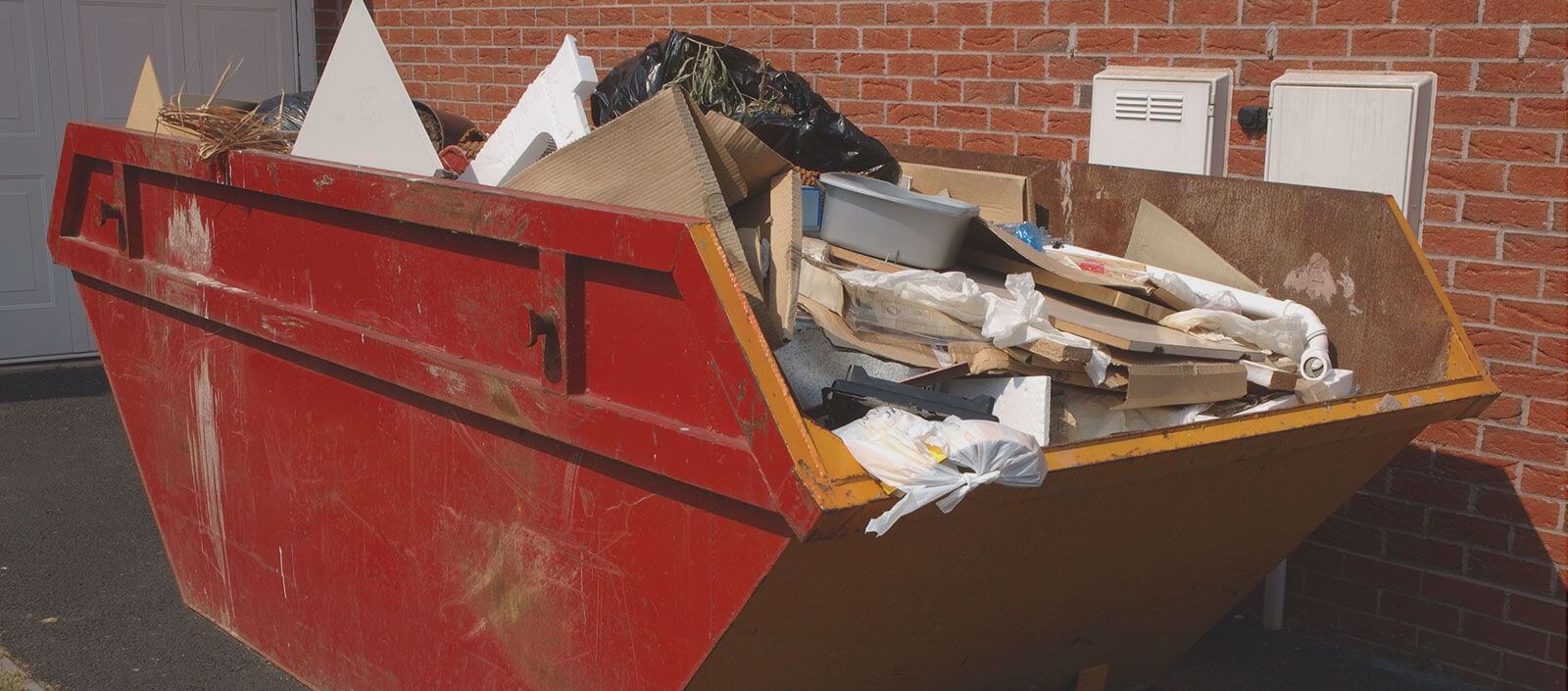
Council permits and bulky waste fines South Kensington
Posted on 04/11/2026

Council permits and bulky waste fines South Kensington: what residents, landlords and businesses need to know
If you live, manage property, or run a business in this part of London, Council permits and bulky waste fines South Kensington can become relevant faster than you might expect. One misplaced sofa, an overfilled pavement pile, or a skipped permit step can turn a routine clear-out into a nuisance complaint, a delay, or a fine. And in South Kensington, where access is tight and streets are busy, those problems can escalate before you have time to blink.
This guide breaks down how council permissions usually work, what bulky waste enforcement tends to look like, and how to avoid the common mistakes that lead to penalties. It also gives you a practical route through the process, whether you are clearing a flat near Gloucester Road, emptying an office, or dealing with bulky items after a renovation. Simple enough in theory. In real life, not always.
Why Council permits and bulky waste fines South Kensington Matters
South Kensington is not the sort of place where waste issues stay hidden for long. A single chest of drawers on a narrow pavement can obstruct pedestrians, invite complaints, and attract attention from enforcement teams or building management. With a mix of mansion blocks, terraces, mews properties, museums, restaurants, and busy commercial premises, the area creates real pressure on waste placement and collection timing.
That is why understanding council permits and bulky waste fines is not just about avoiding a nasty letter. It is about protecting your time, your budget, and, frankly, your reputation. If you are a landlord, tenant, facilities manager, or homeowner, you may already know how quickly a tidy clear-out can turn into a messy one if items are left outside at the wrong time.
There is also a practical point here: bulky waste rules are usually tied to where and how items are presented, not just what they are. A mattress left neatly against a wall may still count as unauthorised street obstruction. A pile of renovation offcuts might be treated very differently from a standard household item. The details matter.
For people dealing with repeated clear-outs or more complex access issues, it often helps to think beyond the item itself and consider the full disposal route. That is where services such as waste removal support in South Kensington can save both hassle and avoidable risk.
How Council permits and bulky waste fines South Kensington Works
In plain English, the process usually comes down to three things: where the waste is placed, who is responsible for it, and whether any permit or prior approval is needed. If waste is left on public land, even for a short time, permissions may be required. If items are placed inside private property boundaries, the rules can be different, though other obligations still apply.
Bulky waste fines typically arise when waste is left in a way that breaches local rules, causes obstruction, or appears fly-tipped. That can happen when someone assumes "it will only be there for an hour", or when a collection is delayed and the items remain outside overnight. In busy areas like South Kensington, overnight is often enough to create problems.
Permits are not always needed for every job, but if skips, temporary storage, parking suspensions, or placed collections are involved, checks are sensible. A lot depends on the exact setup: the road layout, building access, whether you need loading space, and whether the items can be carried from inside the property without using the public footway. If you are managing a flat clearance, this becomes especially relevant, which is why many people also review access issues for South Kensington waste removal before booking anything.
One small but important reality: council enforcement is often less about drama and more about pattern. Repeated overflows, items left out too early, or waste with no clear responsible party can trigger action. It sounds dull. It is not dull when the fine lands.
What usually counts as bulky waste
- Old sofas, armchairs and mattresses
- Wardrobes, shelving, tables and desks
- White goods such as fridges, freezers, washing machines and cookers
- Broken garden furniture or large outdoor items
- Large mixed items after a house, loft or office clear-out
Some of these items may be accepted through local bulky waste services, while others may need specialist handling because of electrical components, refrigerants, or contamination. If you are clearing appliances, a dedicated route such as white goods and appliance disposal is often the cleaner option.
Key Benefits and Practical Advantages
Getting the permit and bulky waste side right does more than keep you out of trouble. It makes the whole job smoother. In practice, the benefits are straightforward:
- Lower risk of fines: you reduce the chance of enforcement action for obstruction, unauthorised placement, or suspected fly-tipping.
- Less stress on collection day: items are removed in the right window, without last-minute panic.
- Better relations with neighbours and building staff: nobody enjoys seeing a sofa blocking an entrance for half a day.
- Cleaner compliance trail: if a landlord, agent, or business is involved, it is easier to show responsible waste handling.
- More efficient disposal: the right route often means less lifting, fewer delays, and less back-and-forth.
There is also a quieter benefit that people often miss: confidence. When you know the plan is lawful and organised, you stop second-guessing every decision. That is worth something, especially if you are juggling builders, tenants, or a moving date. Truth be told, most avoidable waste headaches come from uncertainty rather than malice.
If sustainability matters to you, it is worth thinking about how the waste is handled after collection too. A responsible provider should prioritise reuse and recycling where possible, not just removal. You can read more about that approach in the site's recycling and sustainability information.
Who This Is For and When It Makes Sense
This topic is relevant to more people than you might think. It is not only for people putting a sofa on the street. It matters if you are:
- A tenant moving out of a flat and unsure what can legally be left for collection
- A landlord or letting agent managing end-of-tenancy clearances
- A homeowner clearing a loft, garage, or spare room
- A business owner disposing of office furniture or redundant equipment
- A contractor dealing with renovation waste, skips, or temporary storage
- A building manager trying to keep communal areas clear and compliant
It makes the most sense to address permits and bulky waste rules before the waste is moved outside. Once items are on the pavement, you have much less flexibility. Also, and this is a very London thing, if your building has awkward access or strict concierge rules, the plan can look fine on paper and still go sideways at 8:15 on a Tuesday morning.
For residents in apartment blocks, a targeted service may be more practical than trying to coordinate council arrangements yourself. For example, a flat clearance often goes more smoothly when paired with house clearance support in South Kensington rather than relying on ad hoc kerbside placement.
Step-by-Step Guidance
If you want to handle bulky waste properly in South Kensington, use a simple sequence. It keeps you out of the "we thought someone else was dealing with it" trap, which, to be fair, is a classic one.
- Identify every item. Separate furniture, appliances, mixed rubbish, garden waste, and construction debris. One category at a time makes the job easier.
- Check where the waste will sit. Public pavement, private forecourt, internal lobby, loading bay, or basement exit all carry different practical issues.
- Decide whether a permit or managed collection is needed. If the plan involves the public highway, parking suspension, or temporary placement, do not assume it is fine.
- Confirm timings. Collection windows matter. Leaving bulky items outside too early is one of the most common mistakes.
- Use the right disposal route. Furniture, appliances, and commercial items may need different handling. A mixed load can be fine, but only if it is sorted sensibly.
- Keep proof of handover. For businesses and landlords especially, it is wise to keep records of who took the waste and when.
A practical example: imagine a basement flat near Exhibition Road with a wardrobe, a mattress, and two broken office chairs. If those items are dragged to the pavement at lunchtime and left there until evening, the risk rises quickly. If instead they are scheduled for a prompt collection and kept inside until the team arrives, the whole thing is calmer. Not glamorous, but calm.
For timing-sensitive jobs, many readers also find it helpful to review same-day rubbish collection delays and solutions so they can avoid last-minute exposure to fines.
Expert Tips for Better Results
These are the little decisions that make a surprisingly big difference:
- Bundle by type, not by room. A room-by-room pile often creates a mixed load that is awkward to move and harder to sort.
- Measure large furniture before collection day. A sofa that fits your hallway may still snag on stair turns. South Kensington has plenty of narrow access points and odd angles.
- Photograph the items before they leave. This helps with internal records and avoids confusion later.
- Keep communal areas clear. In managed blocks, one blocked landing can trigger complaints faster than you'd expect.
- Ask about the disposal route. Responsible operators should be able to explain whether items are reused, recycled, or taken to a licensed facility.
Here is another useful habit: if the waste is bulky and the access is awkward, factor in a buffer. A collection that should take 20 minutes can become 50 when the lift is small and the stairwell has a sharp bend. That is just life in a dense urban area.
If you want to compare service styles, the broader services overview gives a helpful sense of which disposal route fits which type of job.
Common Mistakes to Avoid
Most bulky waste fines are avoidable. The issue is usually not the item; it is the handling. Watch out for these common slip-ups:
- Leaving waste out too early. Even a few hours can be enough to create a complaint.
- Assuming a building manager will move it. Unless that is clearly agreed, it is still your responsibility.
- Mixing council waste with commercial waste. Business waste often needs a different compliance route.
- Using an unverified collector. If waste is handed to the wrong person and later fly-tipped, the paper trail can become painful.
- Forgetting about access. A blocked lift, no parking space, or a locked gate can delay removal and leave items exposed.
- Ignoring size and weight limits. What looks manageable in a photo may be a two-person lift in reality.
There is a specific risk in South Kensington with items left near busy footpaths, side streets, and shared entrances. Enforcement does not need much to get interested. One lopsided pile and, well, it is a very different kind of afternoon.
If you are trying to keep costs predictable as well as compliant, it is worth avoiding hidden extras. The article on avoiding hidden fees in South Kensington rubbish removal is a sensible companion read.
Tools, Resources and Recommendations
You do not need a complicated toolkit to manage bulky waste properly. You do need a clear process. The most helpful resources are usually practical rather than flashy:
- A simple item list with photos and rough dimensions
- Building access notes for lifts, loading bays, concierge rules, or timed entry
- Clear internal sign-off if a landlord, tenant, or managing agent is involved
- Waste segregation bags or labels for smaller associated rubbish
- Booking confirmation and handover details for your records
For those who need support across different property types, it may also be useful to compare domestic and business routes. Domestic waste collection in South Kensington can suit household clear-outs, while commercial waste removal in South Kensington is more appropriate for offices, shops, and managed premises.
And if your waste includes heavy old chairs, wardrobes or sofas, these dedicated pages may help you choose the right approach: furniture removal and furniture disposal.
Law, Compliance, Standards, or Best Practice
Without turning this into a legal lecture, the key point is straightforward: waste must be managed responsibly, and the person causing it to be generated or placed is usually the one who must stay on top of the rules. In London, that means paying attention to local council requirements, highway access, obstruction risks, and the use of licensed waste carriers.
Best practice in this area usually means:
- keeping waste off the public highway unless permission has been arranged
- using a licensed and traceable waste operator
- separating hazardous or specialist items from standard bulky waste
- storing waste securely until collection
- documenting the transfer where records are needed
If you are working with a third-party collector, it is sensible to confirm insurance, safety procedures, and compliance processes before handover. The company's waste carrier licence and compliance information is a useful place to understand how responsible collection should be handled, while the insurance and safety page covers another important layer of reassurance.
One more thing: if a job involves refurbishment debris rather than household items, it is usually better to treat it as builder's waste from the start. That tends to avoid confusion and possible enforcement issues. The dedicated builders' waste disposal service is the more suitable route in that case.
Options, Methods, or Comparison Table
There is rarely just one way to deal with bulky waste. The right option depends on speed, access, item type, and how much admin you are willing to carry. Here is a simple comparison.
| Method | Best for | Main advantage | Main drawback |
|---|---|---|---|
| Council bulky waste collection | Smaller household clear-outs with flexible timing | Usually straightforward if the items and placement meet the rules | May be limited by scheduling, item type, or access |
| Private licensed removal service | Faster, more complex, or access-heavy jobs | More flexible and often better suited to awkward property layouts | Costs can vary depending on load size and access |
| Skip or container solution | Construction or renovation waste | Good for larger volumes over a longer period | Permits and placement restrictions may apply |
| Item donation or reuse route | Reusable furniture and appliances | Environmentally sensible and potentially lower cost | Not suitable if the item is damaged or contaminated |
For many South Kensington properties, especially flats and managed buildings, a flexible removal service is the least painful choice. It reduces the chance of items sitting outside too long. If you are pricing options, the page on pricing and quotes can help you think more clearly about what drives the cost.
Case Study or Real-World Example
A typical South Kensington scenario looks something like this. A small rental flat off Gloucester Road needs clearing after a tenancy ends. There is a wardrobe, a bed base, a mattress, two small chairs, and a pile of general rubbish in bags. The tenants are gone, the cleaning team is booked, and the letting agent wants the flat turned around quickly.
The first temptation is to push everything out to the pavement the evening before collection. That would be a mistake. The safer approach is to keep items inside, confirm the access route, and arrange a collection window that matches the building's rules. The wardrobe is measured so it can be taken down without damaging the stairwell. The mattress and chairs are grouped separately. Bags of mixed rubbish are handled at the same time, not left behind to become a second trip later.
The result is boring in the best possible way: no complaints, no obstruction, no late-night stress, and no awkward conversation with building staff. That is the real win. Not dramatic, just tidy.
In a more commercial setting, the same thinking applies. A business near the station may be clearing desks, monitors, and shelving. The process still depends on access, timing, and responsibility. Many companies choose a dedicated route for office clearance in South Kensington so they can avoid mishandling mixed loads and keep records straight.
Practical Checklist
Use this before any bulky waste job in South Kensington. It is simple, but it catches a lot of problems early.
- Have you listed every bulky item and separated it from general rubbish?
- Do you know whether the items will be placed on private land or the public highway?
- Have you checked whether a permit, parking suspension, or prior approval might be needed?
- Is the collection time short enough that waste will not sit outside overnight?
- Have you confirmed building access, lift size, stair turns, and loading arrangements?
- Are the items suitable for the chosen disposal route?
- Have you chosen a licensed, insured, and traceable collector if using a private service?
- Do you have photos or records for your own files?
- Have neighbours, building staff, or managing agents been informed where necessary?
- Is there a backup plan if the first collection window slips?
If your job includes loft items, overstuffed storage, or a long-neglected mix of furniture and odds and ends, a more focused approach can help. Loft clearance support is often the easiest route when hidden clutter starts appearing in batches rather than one neat pile.
Conclusion
Council permits and bulky waste fines in South Kensington are not just administrative details. They shape how safely, legally, and efficiently you can clear bulky items in a neighbourhood where space is tight and tolerance for obstruction is low. The good news is that most problems are avoidable with a bit of planning: keep waste inside until collection, confirm the access route, choose the right disposal method, and do not assume a pavement pile is harmless just because it looks temporary.
For residents, landlords, and businesses alike, the best approach is usually the calm one. Check the rules, document the plan, and use a disposal route that fits the property, the item type, and the timing. That is how you avoid fines and keep the job moving. Nice and steady, really.
Get a free quote today and see how much you can save.
When the process is handled properly, bulky waste stops feeling like a problem and starts feeling like progress. And that is a good place to end, isn't it?