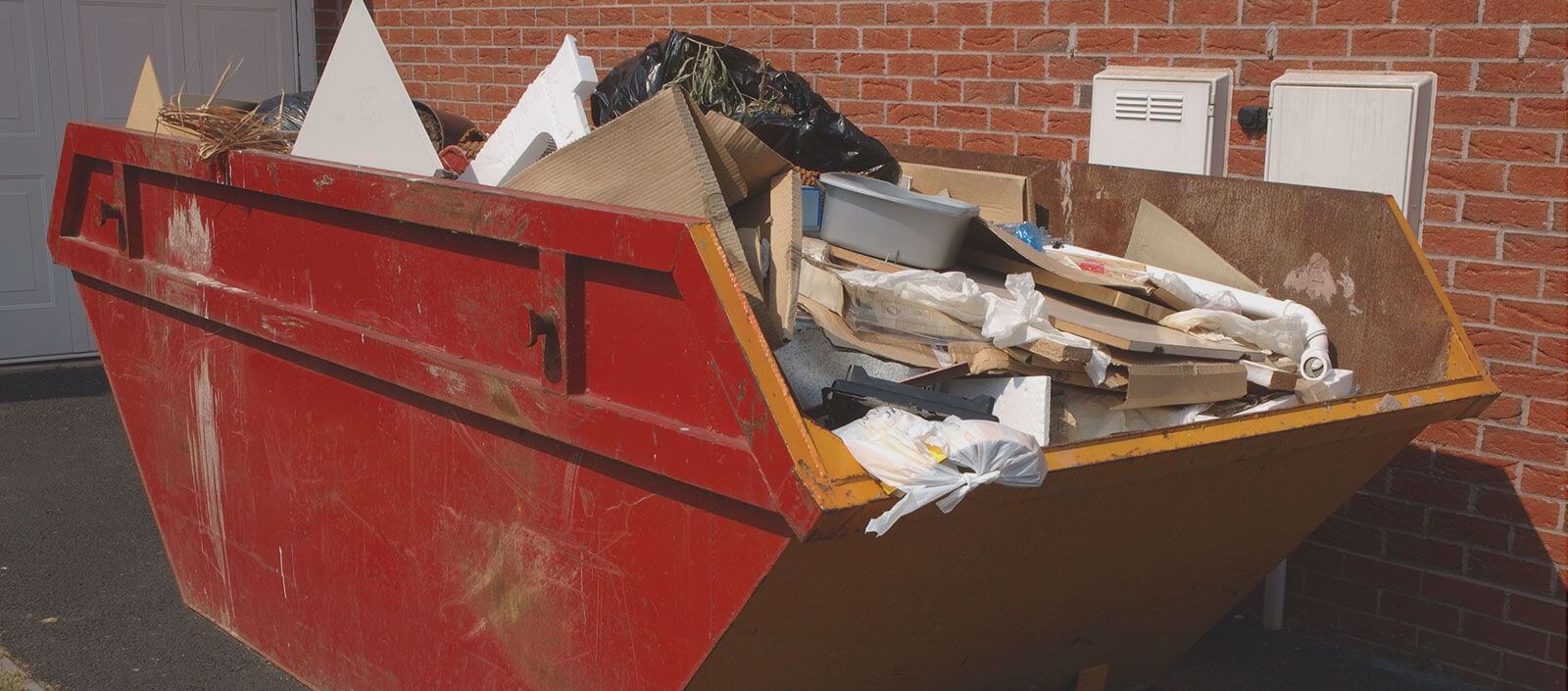
Kensington and Chelsea council rules for household rubbish
Posted on 19/10/2026

Kensington and Chelsea council rules for household rubbish: a practical local guide
If you live in Kensington or Chelsea, household rubbish can feel simple until it isn't. One week the bins go out without a fuss; the next, a missed collection, an extra bag, or the wrong item in the wrong container turns into a messy problem on a narrow street. This guide explains Kensington and Chelsea council rules for household rubbish in plain English, so you know what to put out, what to keep back, and how to avoid the small mistakes that cause the biggest headaches.
Whether you are in a flat near Gloucester Road, a townhouse off Exhibition Road, or managing a busy household near South Kensington station, the basics are worth getting right. And to be fair, once you understand the system, it is usually far less complicated than people fear.
Why Kensington and Chelsea council rules for household rubbish Matters
Household waste rules are not just about keeping the pavement tidy. In Kensington and Chelsea, they affect how clean your street looks, how smoothly collections happen, and how easily the borough can recycle material instead of sending it to landfill or energy recovery. In a dense inner-London area, that matters more than people sometimes realise.
If rubbish is left in the wrong place or put out in the wrong way, it can block footpaths, attract pests, create odours, and cause avoidable nuisance for neighbours. You may also find that collections are missed, delayed, or refused. That is annoying on a normal Tuesday, and even more annoying if you are trying to juggle work, family life, and a hallway that already has a bike, a buggy, and two shopping bags in it.
There is also a money angle. When residents understand what should go into recycling, what counts as residual waste, and how to handle bulky items properly, they often avoid unnecessary extra trips, replacement bags, or private disposal costs. Small wins, but they add up.
For property owners and landlords, getting the basics right protects the appearance of the building too. That can matter around shared entrances, basement flats, and converted buildings where waste storage space is tight. If you are also thinking about how rubbish management fits into the wider local property picture, you may find this local perspective on Kensington living useful.
Practical takeaway: the rules are there to keep collection points safe, keep the borough cleaner, and make recycling easier. The more accurately you sort and present waste, the smoother life tends to be.
How Kensington and Chelsea council rules for household rubbish Works
The council system is built around separation, presentation, and timing. In other words: sort your waste correctly, place it out in the right way, and put it out on the correct day and at the correct time. That sounds obvious, yet many collection issues begin with one of those three things being slightly off.
Most households will deal with a mix of general waste, recycling, food waste, and sometimes garden or bulky items. The exact containers and collection arrangements can vary depending on property type. A house with a front forecourt will not always have the same practical setup as a mansion block, and a top-floor flat with limited storage is a different beast again. London does like to make simple things more interesting.
In everyday terms, the process usually works like this:
- You store waste in the correct container or bag until collection day.
- You separate recyclable materials from general rubbish where the system allows it.
- You place waste out only at the approved time and in the approved location.
- You keep shared areas, pavements, and access points clear.
Special items are where people often get caught out. Bulky furniture, mattresses, electrical appliances, builders' rubble, and garden waste may need separate arrangements. If you are clearing a flat, a loft, or a family home, a dedicated service can make this far easier. For example, our house clearance service in South Kensington is more suitable for a full property clear-out than simply leaving extra items by the bins.
For larger or mixed loads, a broader waste removal service can help when the council system is not the right fit. That is especially true after a move, refurbishment, or a long-overdue declutter.
Key Benefits and Practical Advantages
Getting the household rubbish rules right gives you more than just compliance. It makes day-to-day life calmer. Less clutter, fewer missed collections, less guessing, and fewer awkward conversations with neighbours or building managers.
Here are the main benefits people notice first:
- Cleaner shared spaces: bins are less likely to overflow or spill into hallways and courtyards.
- Fewer collection issues: the right presentation reduces the chance of a missed pickup.
- Better recycling outcomes: correctly sorted waste is more likely to be recovered properly.
- Lower nuisance risk: fewer smells, pests, and windblown litter.
- Less stress in busy households: everyone knows what goes where, and who does what.
There is also a practical benefit for families and flat sharers. When the household has a simple waste routine, the bin area stops becoming a minor source of tension. Sounds dramatic, but you know the sort of thing. One person forgets the food waste. Another overfills the recycling. Someone else leaves a box beside the bin because "it was only for one night." And suddenly it has been there for four days. Not ideal.
For residents who care about sustainability, the rules also support more responsible disposal. If you want to understand more about the environmental side of waste handling, have a look at our recycling and sustainability information.
If you are comparing whether to use council collection or a private option for heavier household waste, the right choice often depends on volume, access, and urgency. A private collection may be better when you need speed or have items the council system will not take easily, while the council route remains sensible for standard day-to-day rubbish.
Who This Is For and When It Makes Sense
This guide is useful for anyone living, renting, owning, or managing property in Kensington and Chelsea. But some people will need it more urgently than others.
- Tenants who are new to the borough and do not yet know the local bin arrangement.
- Homeowners trying to manage mixed waste after a clear-out or small renovation.
- Landlords and agents responsible for keeping shared waste storage areas tidy and compliant.
- Flat dwellers dealing with limited bin space, communal containers, or awkward access.
- Families who generate more general waste, packaging, and food waste than a smaller household.
- Older residents who may need help moving bulky items safely.
It also makes sense if you are handling one-off situations: a spring clean, an end-of-tenancy reset, a move between properties, or the aftermath of furniture replacement. If you are getting rid of a sofa, wardrobe, or old appliance, the council route may not be the cleanest solution. In those cases, specialist support can save you time and a fair amount of lifting. Our furniture disposal service and appliance disposal option are both relevant when the item is too big or awkward for standard household waste.
And if you are living in one of the borough's tighter access properties, the logistics matter just as much as the rules themselves. A narrow staircase or basement entrance changes the whole picture. There is no glamour in carrying a broken fridge down three flights of stairs at 7am, let's be honest.
Step-by-Step Guidance
If you want a simple way to stay on the right side of household rubbish rules, use this sequence. It works well in real life because it is boring in the best possible way.
- Check what waste you actually have. Separate food, recyclables, residual rubbish, garden cuttings, and bulky items before you do anything else.
- Use the right container. Keep general waste, recycling, and food waste where they belong. If your building uses shared bins, do not improvise with bin liners left beside them.
- Break down larger packaging. Flatten cardboard boxes and make items compact where possible. That helps with storage and collection.
- Keep prohibited items out of the normal bin stream. Electricals, chemicals, sharp waste, and construction debris usually need separate handling.
- Put rubbish out at the correct time. Avoid leaving bags out early, especially in a busy street where they may be disturbed.
- Keep access clear. Collection crews need room to move bins safely. If you have a gated property or awkward entrance, plan ahead.
- Arrange specialist collection when needed. Large items, mixed loads, or clearance jobs often need a dedicated service.
If you are not sure how to handle a specific load, a quick sense-check is worth it. Is it ordinary household rubbish? Or is it a bulky, hazardous, electrical, or construction-related item? That one question saves a lot of mistakes.
When standard council collection is not enough, services like rubbish collection in South Kensington can be the more practical next step. For larger home moves or an overcrowded storage cupboard that has somehow become a graveyard of old lamps and broken chairs, it is often the calmer option.
Expert Tips for Better Results
The best waste routines are almost invisible. They do not take over your week. They just quietly work. Here are a few habits that make a real difference:
- Build a two-container habit inside the kitchen. One for general rubbish, one for recyclables. It is a tiny change, but it helps more than people expect.
- Keep a small holding area for bulky items. If you are replacing furniture, do not rush to leave it outside before you know the collection plan.
- Watch for access issues. In mansion blocks and converted townhouses, bin storage can be a pinch point. Check gates, locks, and shared courtyards before collection day.
- Take photos of awkward items. It sounds a bit daft, but it helps when you are asking for a quote or trying to explain what needs removing.
- Plan ahead for bank holidays and busy moving periods. Collections can feel slightly slower around peak times. Nothing dramatic, just enough to make planning worth it.
One thing we see often is people waiting too long to deal with a small pile. Then it becomes three piles. Then the hallway starts to feel temporary, and nobody likes that feeling. Deal with it early, even if it is just one bag at a time.
If you care about both cost and waste performance, it can help to think beyond simple disposal. Choosing a provider with the right operating standards matters. Our waste carrier licence and compliance information explains why that should never be an afterthought.

Common Mistakes to Avoid
Most rubbish problems are caused by a small number of repeat mistakes. The good news is that they are easy to spot once you know them.
- Putting out rubbish too early. This can create a mess or attract attention before collection day.
- Mixing the wrong items together. Recycling streams can be spoiled by contamination from food, liquids, or unsuitable materials.
- Leaving bags beside full bins. If the bin is full, a side pile often becomes a street problem fast.
- Assuming bulky items are "just rubbish". Sofas, mattresses, and appliances usually need special handling.
- Forgetting about access. Locked gates, narrow hallways, and resident-only courtyards can stop a collection before it starts.
- Choosing the cheapest option without checking what is included. Hidden extras are a common source of frustration.
The money mistake is worth highlighting. Some households focus only on the headline price and then discover surcharges for access, labour, or item type. If you are comparing removal quotes, this article on avoiding hidden fees in South Kensington rubbish removal is a smart companion read.
There is also a timing mistake: leaving a clear-out until the last minute. That is how a simple job becomes a rush job. And rush jobs, as a rule, cost more or feel messier. Sometimes both.
Tools, Resources and Recommendations
You do not need a huge toolkit to manage household rubbish well. In most homes, a few practical items are enough:
- Strong bin bags for general waste.
- Separate caddies or tubs for kitchen recycling and food waste.
- Marker labels for shared storage areas or household sorting systems.
- Measuring tape for bulky items when you are checking access or disposal options.
- Gloves and basic cleaning supplies for handling dusty or awkward rubbish safely.
For residents dealing with regular household disposal, a straightforward domestic collection can be a good fit. Our domestic waste collection service is designed for exactly those recurring household needs, especially where the borough system does not fully cover a one-off load.
If you are clearing a garden as well as the house, use the right route for green waste rather than mixing it with general rubbish. For that, our garden waste removal service is a more suitable option than leaving branches and soil by the bins. Likewise, if a loft is full of old boxes, forgotten furniture, and seasonal clutter, loft clearance support can save a very long and dusty weekend.
For households where disposal becomes part of a bigger life event, such as a move, refurbishment, or bereavement, a calmer all-in-one service can make a difficult week feel a bit more manageable. That human side matters, really.
Law, Compliance, Standards, or Best Practice
Even though this is a household topic, compliance still matters. Residents are expected to use waste services responsibly, keep public areas clear, and avoid leaving waste in ways that cause obstruction or nuisance. That is the broad principle. The details can vary by property type and collection arrangement, so it is wise to check the current local instructions rather than rely on memory from last year.
For private waste handling, best practice is simple: use a properly licensed carrier, keep records if relevant, and do not assume that "someone will take it away" means it is being handled correctly. In the UK, that matters because the responsibility for waste does not magically disappear the moment it leaves your front door. That is the bit people sometimes miss.
Standards-based habits also help: store waste securely, avoid contamination in recycling, and make sure items are only placed out when collection is due. If you are hiring help, check that they operate safely, handle items responsibly, and can explain where the waste goes in a straightforward way. No mystery vans, no vague promises, no crossed fingers.
For more on the wider business and ethical side of how a reputable provider operates, you can also review the company's insurance and safety information and about us page. Those details are not glamorous, but they matter when you are letting someone handle waste inside your home or building.
Options, Methods, or Comparison Table
People usually choose between three approaches: using the council system, arranging a private collection, or booking a full clearance service. The right answer depends on what you need to dispose of and how quickly you need it gone.
| Method | Best for | Strengths | Limitations |
|---|---|---|---|
| Council household rubbish collection | Regular day-to-day household waste | Simple for standard waste, routine and familiar | Not ideal for bulky, mixed, or urgent clear-outs |
| Private rubbish collection | Extra bags, one-off loads, awkward timing | Flexible, quicker, can suit access issues | Usually paid service, quality varies by provider |
| Full clearance service | House moves, lofts, offices, major declutters | Handles large volumes and mixed items efficiently | Can be more than you need for a few small bags |
In practice, many households use a mix. The council handles the normal stream, while a private collection deals with the odd bulky item or sudden overrun. That mixed approach is often the most sensible one, especially in flats with limited storage.
If you are weighing up costs, access, and speed, it is worth reading pricing and quote guidance alongside the service choice itself. And if you are not sure whether your load is more of a collection or a clearance, the services overview can help you narrow it down.
Case Study or Real-World Example
Here is a realistic example from everyday life, nothing flashy.
A couple in a South Kensington flat were replacing a sofa, disposing of a broken chest of drawers, and clearing several bags of household clutter before guests arrived for the weekend. The normal bin store was already tight, and the building had limited lift space. They assumed the items could simply go out with the weekly rubbish. That would have been a headache.
Instead, they separated the reusable packaging, kept recyclables in the right containers, and arranged a dedicated collection for the bulky furniture. The result was straightforward: the hallway stayed clear, the building manager had nothing to chase, and the clutter was gone in one visit rather than spread across several bin days. Not dramatic, just sensible. But that is exactly what good waste planning looks like.
For a similar situation involving building access or collection timing near busy transport links, this local guide on access for South Kensington waste removal is useful. Access is often the hidden issue, not the rubbish itself.
And if the job grows into something larger than expected, for example a flat clear-out after a move, a service like furniture removal can be the difference between a stressful afternoon and a tidy, one-and-done solution.
Practical Checklist
Use this checklist before collection day or before booking a removal service:
- Have I separated general waste, recycling, food waste, and bulky items?
- Do I know which items need specialist disposal?
- Are bins, bags, and storage areas easy to access?
- Have I checked whether any shared building rules apply?
- Is anything sharp, heavy, or unsafe to handle without help?
- Have I flattened cardboard and reduced unnecessary volume?
- Do I need a council collection or a private service?
- Have I left enough time to avoid a last-minute rush?
- Do I know where the waste should be placed on collection day?
- Have I checked whether the provider is properly compliant and insured?
If you can tick most of those boxes, you are already ahead of the average household. Honestly, that is usually enough to avoid the common mess-ups.
Get a free quote today and see how much you can save.
Conclusion
The main thing to remember about Kensington and Chelsea council rules for household rubbish is that they work best when you keep waste simple, sorted, and on time. The system is designed to make local collections cleaner and more efficient, but it relies on residents doing their part.
For everyday rubbish, a good routine is enough. For bulky items, awkward access, or bigger clear-outs, a specialist collection or clearance service is often the calmer, more practical answer. That is not overcomplicating things; it is just matching the job to the right method.
Once you get into the habit, it stops being a chore you keep putting off and becomes one of those small household systems that quietly makes life easier. And in a borough where space is precious and schedules are full, that is no small thing.