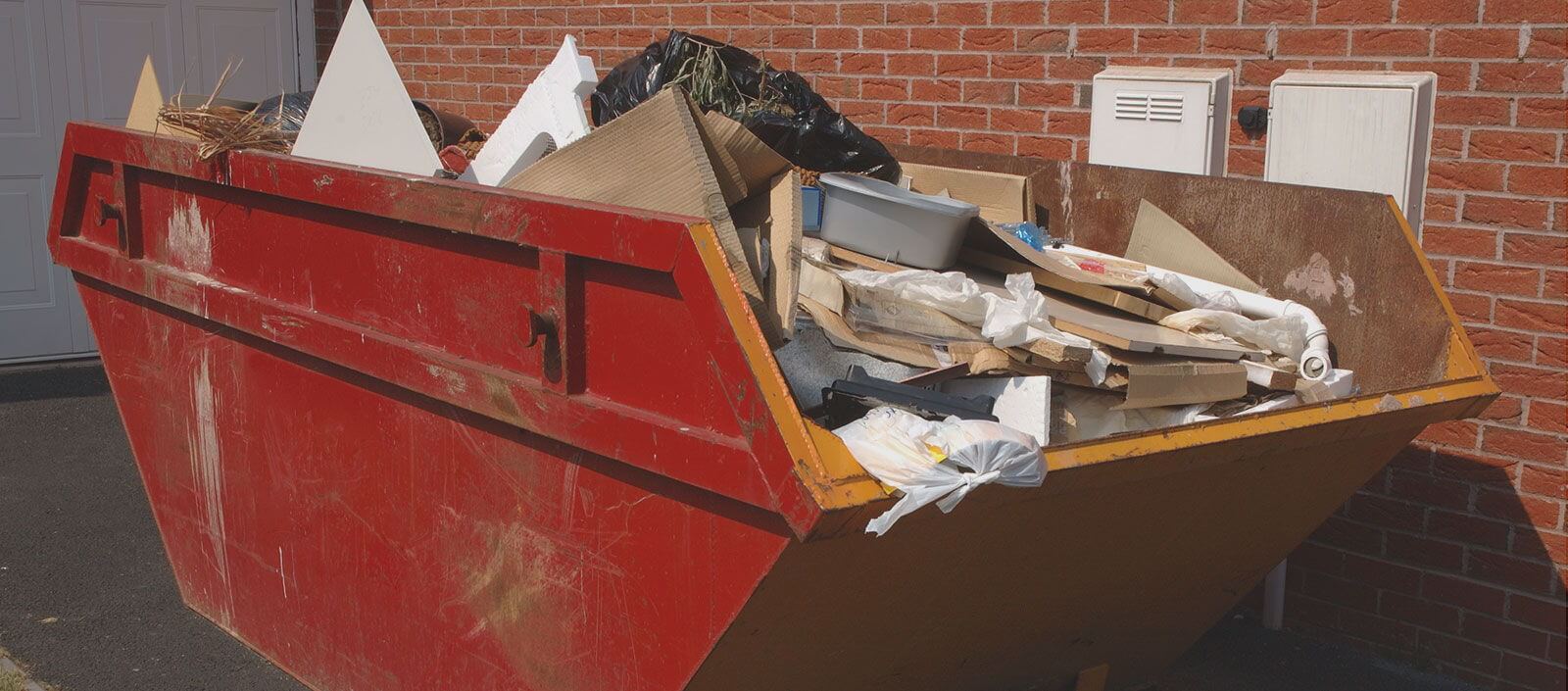
Pricing mistakes hitting South Kensington rubbish removal
Posted on 07/07/2026
Pricing mistakes hitting South Kensington rubbish removal: how to avoid paying more than you should
If you have ever tried to clear a flat, a mews property, or even a single bulky item in South Kensington, you will know the quote can feel straightforward right up until it suddenly isn't. That is the heart of the problem with pricing mistakes hitting South Kensington rubbish removal: the number looks neat at first, then access, load size, timing, licensing, or hidden extras creep in. And let's face it, in a part of London where space is tight and building layouts can be awkward, those mistakes can get expensive fast.
This guide breaks down where pricing goes wrong, how proper rubbish removal pricing should work, and what you can do to compare quotes without getting caught out. You will also find practical examples, a checklist, and a plain-English comparison of pricing methods so you can make a calmer, better decision. No drama. Just a clearer bill at the end.

Contents
- Why pricing mistakes matter
- How rubbish removal pricing works in South Kensington
- Key benefits of getting pricing right
- Who this advice is for
- Step-by-step guidance
- Expert tips for better results
- Common mistakes to avoid
- Tools, resources and recommendations
- Law, compliance and best practice
- Options and comparison table
- Case study example
- Practical checklist
- Conclusion
- Frequently asked questions
Why pricing mistakes hitting South Kensington rubbish removal matters
Pricing errors are not just an annoyance. They can change which service you choose, delay a clearance, and leave you paying for capacity you did not need. In South Kensington, that risk is often higher because the job itself is rarely as simple as "load it and go". Basement steps, narrow stairwells, controlled parking, shared entrances, and careful building access can all affect the final cost.
A small misunderstanding at quote stage can become a bigger issue on collection day. For example, if a team quotes for one load but the rubbish turns out to be mixed with heavy items, the price may shift. If the access is tougher than expected, labour time may increase. If you are arranging a clear-out near a busy road or around a building with restricted lift use, the job may need extra planning. This is not a bad thing in itself. It is just how real jobs work.
The key point is simple: pricing should reflect the real collection conditions, not just a hopeful estimate. When that does not happen, customers usually pay in one of three ways: surprise charges, rushed decision-making, or choosing the wrong provider altogether.
Practical takeaway: a quote that is too vague is often the most expensive quote in the end.
For broader company context, it can help to understand the scope of services and how a provider presents its approach on a page like services overview, or how transparent pricing is explained on pricing and quotes.
How pricing mistakes hitting South Kensington rubbish removal works
Most rubbish removal pricing is built from a few moving parts. The basics are simple enough, but the detail matters. A provider may price by volume, by item, by weight, by labour time, or by a mix of these factors. That is why two jobs that look similar to a homeowner can produce very different quotes.
1. Volume is only part of the story
Many people assume that the price is only based on how much space the waste takes up in the vehicle. That is partly true, but not the full picture. A mattress, broken wardrobe, and flat-pack packaging all occupy space differently and require different handling. Heavy waste, awkward shapes, or items that must be carried a long way can change the economics of the job quite a bit.
2. Access changes labour time
South Kensington homes and flats often involve stairs, shared hallways, basement levels, or loading restrictions. If the crew needs extra time to move items safely, that cost may be built into the quote. A five-minute lift job and a twenty-minute carry-down job are not the same. Not even close, really.
3. Item type affects disposal costs
Some waste streams are more complex than others. Standard household clutter, mixed rubbish, old furniture, appliances, garden cuttings, and builders' waste each have different disposal considerations. If the company must separate items for recycling or deal with specialist disposal, the price may change accordingly.
4. Timing matters more than people expect
Urgent same-day collection, evening slots, weekend visits, or timed arrivals can all alter the price. If you are coordinating around a moving day, an office handover, or a landlord inspection, the convenience can be worth it, but it should be clear from the outset. If you want to read more about that side of things, same-day rubbish collection delays and solutions in South Kensington is a useful related read.
In plain terms, the real pricing mistake is assuming all removals are priced like a simple skip alternative. They are not. The job profile matters.
Key benefits and practical advantages
Getting pricing right does more than save money on the day. It makes the whole process calmer and more predictable. And if you have ever cleared a property while juggling work, family, or a tenancy deadline, you will know how valuable that is.
- Cleaner budgeting: you can plan the full cost before the job starts.
- Fewer disputes: clear expectations reduce awkward conversations at pickup.
- Better service matching: you choose the right option for the waste type and access conditions.
- Less waste: a provider with good recycling practices may separate more items properly.
- Lower stress: the quote feels like a decision, not a gamble.
There is also a quieter benefit: better pricing helps you avoid over-ordering service. A lot of people book too much because they fear underestimating, then pay for unused capacity. Others book too little and need a second visit. The sweet spot is somewhere in the middle, where the quote fits the real job.
If sustainability matters to you, it can be helpful to look at how a provider talks about reuse and recycling. A page such as recycling and sustainability can give a better sense of whether the company's approach aligns with your priorities.
Who this is for and when it makes sense
This topic is relevant to a lot more people than you might think. It is not just for large house clearances or commercial clean-outs. Pricing mistakes can affect tiny jobs too. A single sofa, a few white goods, a loft sort-out, an office refresh, a shop fit-out, even post-event clear-up. The bill can go sideways in any of them.
It is especially useful if you are:
- moving out of a flat and need a last-minute clear-out
- disposing of furniture from a period property or basement flat
- handling builders' waste after a small renovation
- clearing a home after long-term storage or downsizing
- managing an office or commercial waste job with timing constraints
- trying to compare providers without feeling rushed or pressured
South Kensington can be a lovely place to live, but the property mix is a bit of a puzzle box. Flats, mansion blocks, converted townhouses, and studio spaces each come with different access realities. If you are thinking about the local housing picture more broadly, Kensington as a place to call home and navigating Kensington's property sphere both offer useful context.
Step-by-step guidance
Here is a practical way to avoid pricing mistakes before they happen.
- List the waste clearly. Separate furniture, appliances, bagged rubbish, garden waste, and builders' waste if possible. Mixed loads can be fine, but you need to know what is there.
- Estimate size honestly. Be realistic. A "few bags" sometimes becomes a half-room of clutter once you start moving things around. Funny how that happens.
- Check access conditions. Note stairs, parking, lift restrictions, narrow corridors, or long carry distances. If your building is awkward, say so early.
- Ask what the price includes. Labour, loading, disposal, congestion or parking time, recycling fees, VAT where applicable, and any waiting charges should be clear.
- Compare like for like. Two quotes can look similar until you notice one includes full labour and the other only covers a truck arrival. That is not an equal comparison.
- Confirm the collection window. Timing affects cost and convenience. Make sure the provider understands whether you need a tight slot or a flexible visit.
- Get the final terms in writing. A clear written quote helps reduce misunderstandings later, especially for larger or more awkward jobs.
If your job is particularly access-heavy, this related guide can help you think it through: what to know on access for South Kensington waste removal.
Expert tips for better results
After enough clearances, a few habits stand out. The best-priced jobs are usually the best-prepared ones.
Tip 1: send photos, but send useful ones. Wide shots of the whole pile are helpful. So are close-ups of bulky or unusual items. If a sofa is split in two, say that. If the waste is in a basement room with a tight turn, mention it. The more honest the picture, the better the estimate.
Tip 2: separate the obvious special items. Fridges, freezers, washing machines, and other appliances can affect pricing because they are handled differently from standard rubbish. If you need appliance support, a page like white goods and appliance disposal in South Kensington is relevant to the type of job.
Tip 3: think in layers, not just piles. A room full of soft clutter is not the same as a room full of book boxes. Weight, breakability, and carry time all matter. That is one of the less glamorous truths of waste pricing.
Tip 4: ask how recycling affects the quote. Sometimes a greener approach can reduce disposal pressure, but it depends on the materials. Don't assume sustainability always means cheaper. It can be, but not automatically.
Tip 5: plan for the building, not just the rubbish. In South Kensington, the building is part of the job. Parking bays, concierge rules, lift booking, and collection timing can all influence the final price more than a customer expects.
For general trust signals, it is also worth checking whether the company explains compliance clearly. A page like waste carrier licence and compliance is a good sign that the provider treats the job seriously.
Common mistakes to avoid
This is where most cost blowouts begin. Nothing dramatic, just a few avoidable slips that stack up.
- Giving a vague description: "a bit of rubbish" is not enough for a proper quote.
- Forgetting access issues: a simple-looking flat can still be a nightmare to move waste through.
- Assuming all rubbish is priced the same: appliances, builders' waste, and mixed junk do not behave the same way.
- Ignoring disposal methods: if a company is not clear about recycling or sorting, the quote may be incomplete.
- Choosing only on headline price: the cheapest estimate can become the most expensive once extras appear.
- Leaving everything until the last minute: urgent bookings are more likely to carry premium pricing.
There is also a very common one: not reading the small print because, well, nobody enjoys small print. But that is where waiting charges, item exclusions, or minimum-load rules often hide. If you want a dedicated warning sign to keep in mind, avoiding hidden fees in South Kensington rubbish removal is highly relevant.
Another quiet mistake is comparing a house clearance quote to a general rubbish collection quote as if they are interchangeable. They are not. A full clearance usually involves more labour, more sorting, and more time.
Tools, resources and recommendations
You do not need fancy software to price a clearance well. A few simple tools help a lot.
- Phone photos: the fastest way to show volume, item type, and access conditions.
- A room-by-room list: useful for house clearances, lofts, and office jobs.
- Measurements of bulky items: especially helpful for wardrobes, desks, beds, and white goods.
- Building notes: parking restrictions, concierge arrangements, or lift limitations can change the job.
- Written quote comparison: lay each estimate side by side so you can see what is included.
For broader service planning, the services overview page can help you see how different collection types are positioned, while rubbish collection in South Kensington and waste removal in South Kensington are useful starting points if you are working out which service fits your job.
For large home clear-outs, you may also want to compare specialist pages such as house clearance or loft clearance depending on where the waste is actually coming from. That distinction matters more than people think.
Law, compliance and best practice
Any waste contractor working in the UK should operate responsibly and in line with relevant waste-handling duties. For customers, the practical takeaway is not to become a compliance expert overnight. It is simply to make sure the company looks legitimate, explains how waste is handled, and avoids vague promises.
Good practice usually includes:
- clear identification of the waste carrier
- transparent pricing terms
- appropriate disposal and recycling processes
- safe lifting and loading methods
- careful handling of items that could pose a hazard
If a provider is not clear about insurance, safety, or how they protect both your property and their team, that is a warning sign. A lot can go wrong in a stairwell or tight hallway; a bit of care saves everyone hassle. You can see how a serious operator frames this on insurance and safety and on payment and security.
For larger businesses, it makes sense to check whether the provider's approach to commercial collections is clear too. A dedicated page like commercial waste removal in South Kensington can be useful when you need regular, structured support rather than a one-off pickup.
Options, methods, or comparison table
Different pricing methods suit different jobs. Here is a simple comparison to help you spot what matters.
| Pricing method | Best for | Advantages | Watch-outs |
|---|---|---|---|
| Per load / volume-based | Mixed household rubbish, furniture, general clear-outs | Easy to understand, often quick to quote | Can be misleading if access or item type is unusual |
| Per item | Single bulky items, appliance removal, one-off furniture disposal | Simple for small jobs | Not ideal when several items are involved |
| Labour-based | Awkward access, heavy items, time-sensitive clearances | Reflects actual work done | Less predictable unless the job scope is well defined |
| Fixed quote | Well-described jobs with clear access and item list | High certainty for the customer | Only as good as the information you provide |
To be fair, no method is perfect. The real skill is matching the method to the job. A single sofa removal should not be priced like a full office clearance, and a basement clearance should not be treated like a kerbside pickup. Simple as that.
Case study or real-world example
Picture a small flat near Gloucester Road. A tenant needs to clear out a sofa, a broken desk, four bags of mixed clutter, and an old washing machine before move-out. On paper, that sounds like a straightforward half-load job. But the lift is booked for only a short window, the building has a narrow entrance, and the washing machine sits in a back room that needs careful carrying.
The first estimate, based only on "general rubbish", comes in low. The second estimate, after the provider is shown photos and told about the access, is slightly higher but more realistic. The difference is not greed; it is accuracy. The lower quote would likely have led to a day-of adjustment or a time delay. The better quote gave certainty.
What happened next? The customer was able to plan the move-out properly, and there was no awkward conversation on the pavement about extra labour. The job was completed in one visit. That is the kind of outcome you want.
If you live in a flat-heavy part of the area, this related page may be useful too: waste removal for Gloucester Road flats in South Kensington. For other location-specific planning, rubbish removal near South Kensington Station and rubbish collection near the Natural History Museum can give you a better sense of local collection scenarios.
Practical checklist
Use this before you accept any quote.
- Have I listed everything that needs removing?
- Have I included bulky items, appliances, or builders' waste if relevant?
- Have I explained access issues such as stairs, lifts, or parking?
- Do I know whether the quote includes labour, disposal, and VAT where applicable?
- Have I asked about waiting time or minimum charges?
- Do I know whether the provider handles recycling and sorting?
- Is the timing suitable for my schedule?
- Have I checked the company's compliance and safety information?
- Am I comparing like for like with other quotes?
- Does the final price feel clear enough that I would be comfortable paying it?
If you can answer yes to most of those, you are in a much better position. Not perfect, maybe, but definitely better.
Conclusion
The biggest pricing mistakes in South Kensington rubbish removal usually come from incomplete information, weak comparisons, and underestimating the realities of local access. Once you understand what affects the final bill, the whole process becomes much easier to handle. You can ask sharper questions, avoid surprise charges, and choose a provider that fits the job rather than just the headline price.
For South Kensington homes, flats, offices, and renovation jobs, the best outcome is usually the most transparent one. A fair quote, a clear scope, and a provider that understands the building as well as the waste. That is the combination that saves money and stress.
If you are still weighing up your options, take the time to compare the job properly, not just the number at the top of the page. It pays off. Usually more than people expect.
Get a free quote today and see how much you can save.