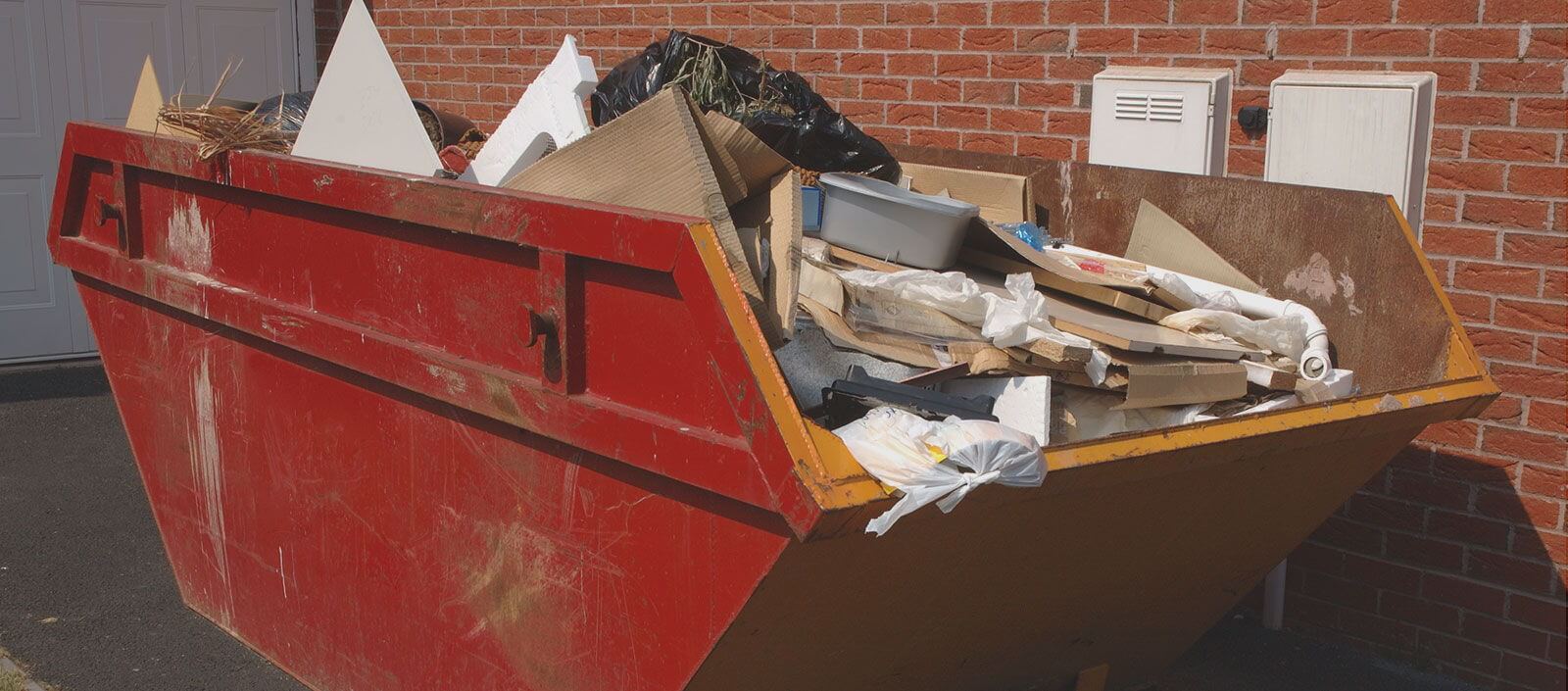
Rubbish collection near Natural History Museum South Kensington
Posted on 21/05/2026
Rubbish collection near Natural History Museum South Kensington: a practical local guide
If you need Rubbish collection near Natural History Museum South Kensington, chances are you want the job handled quickly, neatly, and without any drama. Maybe you are clearing out a flat, moving furniture, managing office waste, or simply dealing with an awkward pile that has been sitting there a bit too long. In a busy part of London like South Kensington, the details matter: access, timing, parking, building rules, and making sure waste is handled properly. This guide explains how local rubbish collection works, what to expect, and how to choose a service that suits your situation.
Whether you are near the museum itself, close to Exhibition Road, or tucked away in one of the surrounding streets, the goal is the same: a tidy, compliant, sensible clearance with minimal fuss. And yes, it can be done without turning your day upside down.
Why Rubbish collection near Natural History Museum South Kensington Matters
The area around the Natural History Museum is one of those parts of London where space is precious and timing matters. Streets can be busy, entrances can be awkward, and residential buildings often have rules about lift use, loading, and disposal times. That makes rubbish collection here more than a simple "pick it up and go" job. It needs a bit of planning.
For households, the big issue is usually convenience. If you are clearing old furniture, broken appliances, bagged rubbish, or general household clutter, leaving it outside is rarely a good idea. It can block access, create complaints, and attract more mess than you started with. For businesses, especially offices, hospitality venues, and short-let properties, the pressure is different but just as real: waste builds up fast, and it needs to be removed without disrupting staff, guests, or neighbours.
There is also a local image element. South Kensington has a polished feel, and nobody wants a pile of rubbish hanging around for days on end. To be fair, a tidy street is not just nicer to look at; it is safer, more professional, and far less stressful.
If you are exploring wider support for the area, it can help to look at the wider services overview and the main rubbish collection in South Kensington page to understand what kinds of removals are commonly covered.
How Rubbish collection near Natural History Museum South Kensington Works
Most local rubbish collection services follow a straightforward process, although the exact details vary depending on what you need removed. In practice, it usually starts with a quick description of the waste, followed by a quote or estimate, then a collection window. On the day, the team arrives, loads the waste, and takes it away for sorting, recycling, or disposal.
That sounds simple enough, but the real value is in the small things. For example, does the property have stairs? Is there lift access? Is the rubbish in a basement, top-floor flat, shared courtyard, or tight mews access? Can the vehicle stop nearby, or will there be a short carry distance? These are the questions that decide whether the collection goes smoothly or turns into a bit of a faff.
Common items collected near this part of South Kensington include:
- household bagged waste
- old furniture and mixed bulky items
- white goods and appliances
- office clear-out waste
- garden cuttings and outdoor debris
- builder's rubble and light renovation waste
- loft, garage, or storage room clearances
Some jobs are best handled as a one-off collection. Others are better suited to a larger waste removal visit, especially if you have mixed materials or a bigger load. If you are unsure which route fits, a more general waste removal service in South Kensington may be the better starting point.
In our experience, the best outcomes come from being specific at the quote stage. A photo or two can save a lot of back-and-forth later. Not glamorous, perhaps, but incredibly useful.
Key Benefits and Practical Advantages
The obvious benefit is getting rid of unwanted rubbish quickly. But good rubbish collection does more than clear a space. It reduces stress, improves safety, and helps you move on with the next task without that nagging pile in the corner of the room staring back at you.
Here are the main advantages people usually notice:
- Speed: A proper collection can clear a load in one visit rather than dragging the job out over several trips.
- Convenience: You do not have to wrestle heavy bags, awkward furniture, or broken appliances yourself.
- Cleaner premises: Whether it is a flat, office, or shop, a tidy space feels better immediately.
- Reduced risk: Less clutter means fewer trip hazards and fewer issues with blocked exits or access routes.
- Better recycling outcomes: Mixed waste is usually sorted more effectively when collected by a professional team.
- Less disruption: Local collection can often be arranged around busy schedules, which is handy in a well-trafficked area like South Kensington.
There is also the less visible benefit of making a sensible disposal choice. If your waste is handled properly, you are less likely to run into problems later. That matters more than people think. A cheap shortcut can become an expensive headache, and nobody needs that.
If sustainability matters to you, it may be worth reading about recycling and sustainability and how a responsible operator approaches sorting and diversion from landfill. That can make a real difference to the overall value of the service, not just the price tag.
Who This Is For and When It Makes Sense
This kind of rubbish collection is not just for major clear-outs. In fact, many requests are quite ordinary. A few bags too many after a renovation. A sofa that will not fit through the door. A storage room that has become a graveyard for things you meant to deal with six months ago. We have all been there, or close enough.
It makes sense if you are:
- a homeowner clearing clutter after redecorating
- a tenant moving out and needing last-minute disposal
- a landlord preparing a property for new occupants
- an office manager dealing with desks, chairs, filing, or general business waste
- a shop, cafe, or venue that needs a tidy reset after refurbishment
- a contractor with lightweight builder's waste to remove from a small site
It is also useful if you are short on time. Let's face it, not everyone wants to spend a Saturday morning loading a hatchback with old carpet and cracked drawers. Sometimes the sensible choice is just to get help and move on.
For homeowners, services like domestic waste collection in South Kensington, furniture removal, or house clearance can fit different situations depending on the type and volume of waste.
Step-by-Step Guidance
If you want a smooth collection near the museum, the best approach is to break the job down into a few simple steps. Nothing complicated, just practical. That usually gives better results than rushing in and hoping for the best.
- Sort the waste into broad groups. Separate general rubbish from furniture, appliances, garden waste, and construction debris where possible.
- Check access. Note stairs, lifts, narrow entrances, parking restrictions, and any time limits at the property.
- Take photos. A few clear images help the provider judge the load and give a more accurate quote.
- Ask what is included. Confirm whether loading, labour, disposal, and recycling are covered in the service.
- Choose a realistic time slot. Busy roads and local access can affect arrival times, so build in a bit of flexibility.
- Prepare the items. Move waste to a safe, accessible point if you can do so without risk or strain.
- Check the handover. Make sure all agreed items are removed and that any remaining waste is understood.
If the job includes old sofas, broken tables, or bulky items, a specialist service like furniture disposal in South Kensington can be the easier route. For appliances, especially items like fridges or washing machines, white goods and appliance disposal is usually a better fit.
A small but important tip: if you are in a flat, tell the provider whether there is a concierge, porter, or managed building contact. That one detail can save a lot of wasted time on the day.
Expert Tips for Better Results
A few habits make rubbish collection much easier and, often, cheaper in practical terms. The biggest one is clarity. The second is access. The third is not leaving everything until the last minute. Simple, but true.
- Be honest about the load. Mixed waste, heavy items, and awkward access all affect the job. If you understate it, you may end up with a mismatch between the quote and the reality.
- Keep recyclable materials separate where possible. Cardboard, metal, clean wood, and certain plastics are often easier to process when separated early.
- Think about the route out. A sofa that fits in the room may still be a challenge in a narrow stairwell. Old buildings in South Kensington can be charming, but they do enjoy a tight staircase or two.
- Time the collection carefully. If you are in a busy building, try to avoid peak movement times. Morning school runs, lunch rushes, and late afternoon traffic can all add friction.
- Ask about disposal handling. Good providers should be able to explain how they deal with sorting and recycling in plain English.
Expert summary: The smoothest rubbish collections near the Natural History Museum happen when the waste is described accurately, access is checked properly, and the provider is chosen for reliability rather than just the lowest headline price.
If you are unsure how a provider works, it is sensible to look at their waste carrier licence and compliance information and their insurance and safety details. Those are the sort of pages that can tell you a lot, quietly, without any sales noise.

Common Mistakes to Avoid
Most rubbish collection problems are avoidable. The annoying part is that they are usually caused by small oversights, not huge disasters. A wrong assumption here, a vague description there, and suddenly the job takes longer or costs more than expected.
- Leaving it to the last possible day. This is especially risky if you need a timed slot or have a move-out deadline.
- Not mentioning bulky or heavy items. A pile of bags is not the same as a pile of broken wardrobes.
- Ignoring access issues. Narrow streets, loading restrictions, or no-parking areas can affect the whole plan.
- Mixing dangerous or restricted waste in with general rubbish. Some items need special handling and should never be hidden inside a general load.
- Choosing only on price. Cheapest is not always best, especially if the service is vague or poorly organised.
- Forgetting building rules. Managed blocks may have approved collection hours, lift protection requirements, or noise considerations.
One common little mishap is forgetting the volume of waste grows fast once you start sorting. You pull one bag from under a bed, then suddenly there are six more. Funny how that happens, isn't it?
If your needs extend beyond a one-off pickup, broader support such as office clearance, loft clearance, or a more general waste removal service may suit you better.
Tools, Resources and Recommendations
You do not need specialist equipment to arrange rubbish collection, but a few basic tools help. Think of this as a small setup that saves you time later. Nothing fancy. Just practical things that make the job easier.
- Bin bags and rubble sacks: Useful for separating light and heavy waste.
- Labels or marker pens: Helpful if you are sorting items for different disposal routes.
- Measuring tape: Handy for checking whether bulky furniture will fit through doors or corridors.
- Phone camera: A simple way to document the load for quotes or internal approval.
- Gloves and sturdy footwear: Basic protection if you are moving items yourself.
- Building contact details: Useful where access needs to be coordinated with a porter, concierge, or landlord.
Recommendations worth bearing in mind:
- Choose a service that explains what happens to mixed waste.
- Ask for a clear quote structure so you know what labour and disposal cover.
- Match the service type to the waste type, rather than forcing everything into one bucket.
- Use the provider's local knowledge if available; it matters more in South Kensington than people expect.
You may also find it useful to review the company's general information pages such as about us and pricing and quotes before booking. Those pages can help you understand the tone, process, and likely next steps without a long phone call first.
Law, Compliance, Standards, or Best Practice
Waste collection in the UK sits inside a framework of responsibility. You do not need to become a compliance expert to book a collection, but it helps to know the basics. In plain terms, you should use a provider that can show it handles waste lawfully and safely, and you should not hand waste to anyone who looks uncertain or evasive.
Best practice usually means:
- using a properly authorised waste carrier
- keeping records or receipts where appropriate
- separating materials that need special handling
- avoiding fly-tipping or unverified disposal chains
- following building, site, or landlord rules about access and storage
For commercial customers, there can be extra expectations around duty of care, waste segregation, and maintaining a tidy workspace. For domestic customers, the big issue is usually simpler: make sure your rubbish goes to the right place and does not end up being dumped irresponsibly. Sounds obvious, but it is worth saying.
That is why clear compliance information matters. A responsible provider should be able to explain its approach without sounding defensive. If that information is easy to find, even better. If not, ask. A proper company should be fine with that.
For example, pages covering terms and conditions and payment and security can help you understand how bookings, fees, and service expectations are handled.
Options, Methods, or Comparison Table
There are several ways to deal with rubbish near the museum, and the best one depends on volume, urgency, and access. A quick comparison can help.
| Method | Best for | Pros | Things to watch |
|---|---|---|---|
| DIY disposal | Very small loads and easy access | Low direct cost if you already have transport | Time, lifting, parking, and multiple trips |
| Bag-by-bag removal | Household rubbish and lighter clear-outs | Simple and flexible | Can become inefficient for bigger volumes |
| Bulky item collection | Sofas, wardrobes, mattresses, appliances | Less heavy lifting for you | Needs accurate item descriptions |
| Full clearance service | Homes, offices, lofts, or larger mixed jobs | Fast, organised, comprehensive | Depends on clear access and booking details |
| Specialist waste removal | Builders waste, garden waste, white goods | Better matched to the waste type | May require separate planning or sorting |
As a rule of thumb, if the waste is awkward, heavy, or mixed, a professional collection is usually the sensible choice. If it is very small and easy to move, DIY may be enough. But once stairs, parking, or time pressure enter the picture, professional help starts looking very reasonable, very quickly.
Case Study or Real-World Example
Picture a small flat a short walk from the Natural History Museum. The resident has been redecorating and has ended up with a broken bedside table, two bagged loads of general clutter, a damaged office chair, and an old toaster that has finally given up. The building has a narrow entrance, a lift that is booked for moving times, and limited street access.
A sensible collection in that situation would begin with photos and a short description of each item. The provider would likely suggest a collection window that avoids the busiest entry period, confirm access details, and estimate how much space the waste will take. On arrival, the team would remove the items carefully, protect the route where needed, and load everything in one visit.
The result? The flat is cleared in under an hour, the resident avoids multiple trips, and the building remains tidy. Nothing dramatic. Just a clean, efficient outcome. That is what good rubbish collection should feel like: almost boring, in the best possible way.
In a similar scenario involving business waste, a small office refresh could include desks, monitors, packaging, and mixed paper waste. In that case, a commercial service would be more appropriate, especially if the office wants minimal disruption. If that sounds familiar, the page on commercial waste removal in South Kensington may be useful.
Practical Checklist
Use this checklist before booking your collection. It saves time, avoids awkward surprises, and makes the quote process much smoother.
- Have I listed all items to be removed?
- Do I know whether the waste is general, bulky, recyclable, or specialist?
- Have I checked access, parking, stairs, and lift availability?
- Have I taken photos of the load?
- Do I know whether the building has any restrictions or approved times?
- Have I confirmed whether loading is included?
- Have I asked how the waste will be handled afterwards?
- Do I know the expected collection window?
- Have I checked the provider's compliance and insurance information?
- Is there anything fragile, hazardous, or restricted that needs separate handling?
If you can tick most of those off, you are already ahead of the curve. And if one or two are still uncertain, no problem. Better to clarify now than to discover it at the kerbside with a sofa halfway through a doorway.
Get a free quote today and see how much you can save.
Conclusion
Rubbish collection near Natural History Museum South Kensington is really about getting everyday life back under control with the least possible friction. The best service is the one that fits the site, the schedule, and the type of waste you have, while keeping things lawful, tidy, and efficient. That might sound obvious, but in a busy London neighbourhood, obvious is often what saves the day.
If you are dealing with a flat clearance, old furniture, office clutter, or mixed rubbish that has become too much to handle alone, the safest move is to choose a service that understands local access, clear communication, and responsible disposal. A little preparation goes a long way. So does a provider who knows the area.
For a broader sense of the local area and how service needs can vary across South Kensington and nearby neighbourhoods, you may also find these pages helpful: rubbish removal near South Kensington Station, Kensington as a place to call home, and the serene side of Kensington.
When the waste is gone, the space feels different immediately. Lighter, calmer, easier to use. That relief is real.