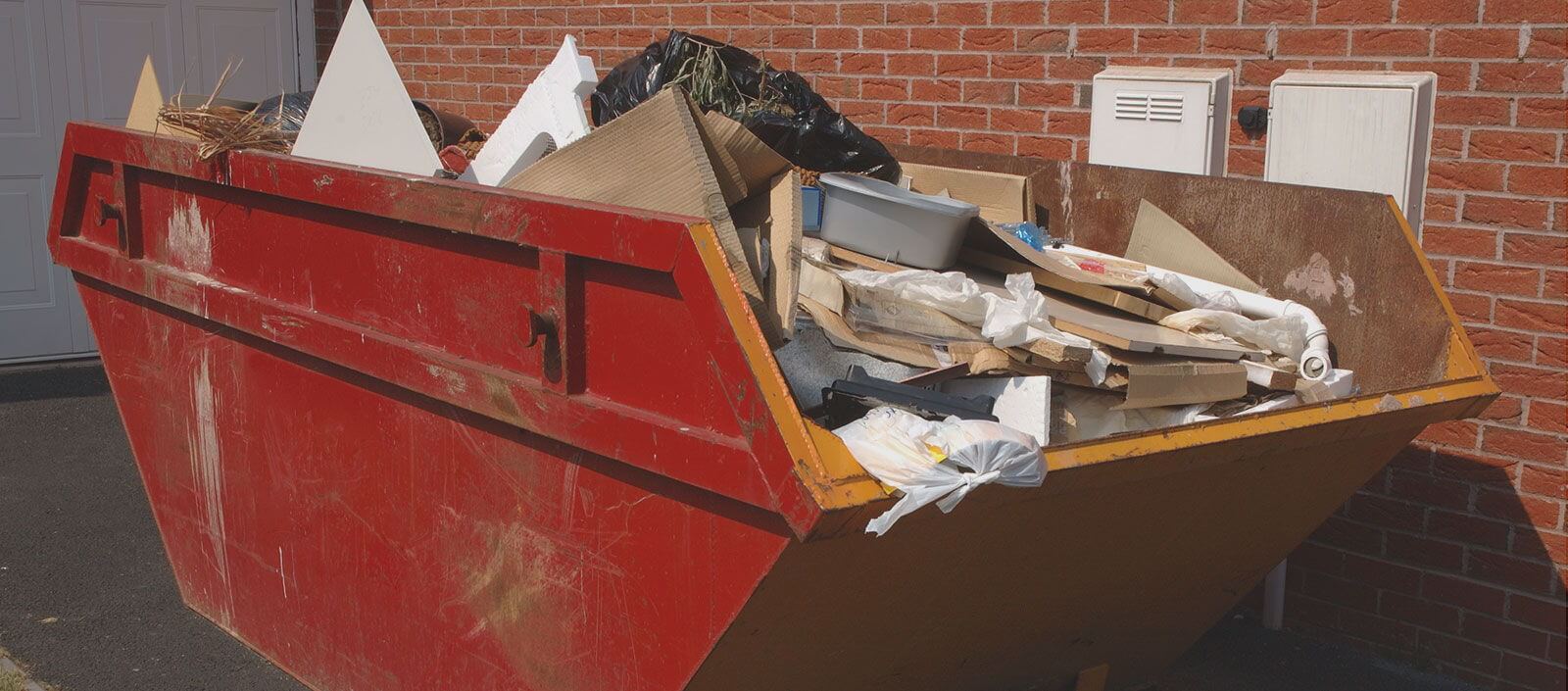
Avoid hidden fees in South Kensington rubbish removal
Posted on 10/06/2026

If you have ever compared rubbish removal quotes and felt that slight sinking feeling, you are not alone. The headline price looks fine, then suddenly there is a charge for carrying, a fee for stairs, an extra line for "weight adjustments," and somehow the total is very different from what you expected. In South Kensington, where flats, basement access, parking constraints, and busy streets can all complicate a job, it pays to know exactly how to avoid hidden fees in South Kensington rubbish removal.
This guide walks you through the real costs to watch for, how quotes should be structured, what questions to ask before you book, and how to spot a fair, transparent provider. It is practical, local, and designed to save you time, money, and a bit of frustration. Let's face it: nobody wants a surprise invoice after a straightforward clear-out.
Why Avoid hidden fees in South Kensington rubbish removal Matters
Hidden charges do more than increase the bill. They make it hard to compare services properly, and they can turn a quick tidy-up into a stressful exchange over the phone or at the kerbside. In a high-density area like South Kensington, small logistical details matter: the lift may be out, parking may be tight, the property may sit above a shop, or access might involve a long carry through a communal hallway. Any of those things can affect pricing, but they should be explained clearly before the team arrives.
What catches people out most often is not the core collection fee. It is the add-ons: waiting time, manual loading, congestion-related costs, minimum charge thresholds, disposal surcharges for certain items, or a "final volume review" that was never properly discussed. If you are comparing quotes for clear pricing and quotes, look beyond the headline number and check what is actually included.
There is also a trust angle. Transparent pricing usually reflects a more organised operation overall. Companies that explain their process well tend to explain the waste journey properly too, which is useful when you want confidence that the rubbish is handled responsibly. If you are unsure what kind of provider you are dealing with, it is worth reading up on the company background too, such as the information on who we are and how we work.
Key takeaway: a cheap quote is only cheap if it stays cheap. The real win is a fair, itemised price that matches the service delivered on the day.
How Avoid hidden fees in South Kensington rubbish removal Works
The simplest way to avoid surprise costs is to understand how rubbish removal pricing is usually built. Most reputable services look at a handful of factors: the amount of waste, the type of waste, access to the property, labour needed, and disposal requirements. That sounds obvious, but the details matter. A small sofa carried down three flights of stairs in a tight mews property is not the same job as a few bags taken from a ground-floor office.
A transparent quote should normally explain the base price and the conditions behind it. If the provider asks for photos, approximate item counts, or a rough estimate of volume, that is usually a good sign. It means they are trying to price the job properly before anyone turns a wheel. You should expect clear mention of what happens if the load is bigger than described, if there is restricted access, or if the waste includes specialist items such as fridges, mattresses, or builders' rubble.
In practice, the process often looks like this:
- You describe the waste in detail, including bulky items and access issues.
- The company gives a written or clearly stated quote with inclusions and exclusions.
- You confirm whether labour, loading, disposal, and travel are included.
- The crew arrives, assesses the load, and keeps any change to a clearly explained minimum.
- You receive an invoice that matches the agreed scope, not a creative reinterpretation of it. Bit of a relief, really.
If you need a broader sense of how the service range fits together, the services overview can help you understand which type of removal is most appropriate for your situation.
Key Benefits and Practical Advantages
Transparent rubbish removal is not just about dodging bad invoices. It gives you control. When you know the likely price range and the factors that can affect it, you can make better decisions about timing, sorting, and what to remove now versus later. That matters if you are clearing a flat, vacating an office, or dealing with a house that has built up clutter over a long period.
Here are the main benefits you will notice:
- Cleaner budgeting: you can plan around a realistic total, not an optimistic advert.
- Fewer disputes: everyone knows what was agreed before the team starts loading.
- Better comparisons: you can compare like with like across providers.
- Less stress on the day: no awkward conversations in the doorway.
- Improved service quality: companies that price properly tend to operate more professionally overall.
There is a practical advantage too. If you know that a service is priced by volume, for example, you can split a job into sensible batches or remove obvious recyclables separately. For larger items, such as sofas or washing machines, a dedicated service like furniture disposal in South Kensington or appliance disposal for white goods may give you a more accurate price than a vague all-in-one estimate.
And if sustainability matters to you, transparent providers are often clearer about where waste goes and how recyclable material is separated. That is not just a nice extra. It helps you book with more confidence.
Who This Is For and When It Makes Sense
This advice is useful for almost anyone booking rubbish removal in South Kensington, but a few groups feel the impact of hidden fees more sharply than others.
Homeowners and tenants often deal with stair carries, short notice moves, and mixed loads. A small flat clear-out can become expensive if the quote does not account for access. If you live in a mansion block, a period conversion, or a basement apartment, it is worth being very specific.
Landlords and letting agents need predictable costs, especially when one tenancy ends and another begins soon after. A delayed or disputed collection can push back cleaning and handover. That is rarely worth the gamble.
Office managers and business owners face a different pressure: downtime. If a quote leaves out labour, parking, or out-of-hours handling, the budget can get messy fast. For larger workspaces, office clearance in South Kensington or commercial waste removal is often better than piecing together a one-off assumption.
Builders and tradespeople need clarity around waste type and weight. Incomplete quotes for rubble, timber, plasterboard, or mixed construction waste can turn a tight job into a costly one. If the skip alternative is awkward for the site, a service like builders waste disposal in South Kensington can be the more predictable option.
Householders clearing larger items such as wardrobes, mattresses, loft clutter, or garden cuttings should also be careful. Different waste streams can mean different handling costs. For example, loft clearance and garden waste removal may be quoted differently depending on weight, access, and sorting needs.
Step-by-Step Guidance
Here is a straightforward process you can follow before booking. It is not flashy, but it works.
- List everything you want removed. Be honest. Hidden fees often start where vague descriptions begin.
- Take photos from a few angles. Include staircases, doorways, lifts, parking access, and any awkward corners.
- Ask how the quote is calculated. Is it by volume, load size, item count, or time on site?
- Confirm what is included. Loading, lifting, labour, disposal, VAT, parking, and waiting time all matter.
- Ask about exclusions. Some items may cost more because they require specialist handling or separate disposal.
- Check the terms before you accept. If something sounds loose, ask for it in writing.
- Compare at least two providers. Not just the price. Compare clarity, responsiveness, and detail.
- Prepare the waste beforehand. Separate items if it will help reduce labour time or make collection easier.
- Be available on the day. A quick walk-through prevents miscommunication and keeps the job moving.
If you are booking around busy local routes or apartment blocks, these extra details can save you more than a few pounds. A good example is a collection near a station, where parking and access can be the real variables. Similar planning helps for jobs such as rubbish removal near South Kensington Station, where timing and vehicle access can shape the final cost.
Expert Tips for Better Results
Here are the things experienced customers tend to do well. These are small habits, but they make a difference.
- Ask for a ceiling price. Even if the quote is estimated, ask what the maximum likely total is before the team starts.
- Use itemised descriptions. "Two armchairs, one mattress, six bags" is far better than "some stuff."
- Clarify access honestly. If the lift is unreliable or the parking is a bit awkward, say so. It is better to be slightly over-cautious than under.
- Check for minimum charges. A small job can still have a base rate that makes sense for the operator but not for you if you were expecting a tiny bill.
- Look for pricing that matches your waste type. Household rubbish, furniture, appliances, and builders waste all behave differently.
- Ask whether recycling is built into the price. This can be useful where materials may be sorted after collection.
One small but useful habit: keep the original message or quote summary in your inbox. It sounds basic, and it is. But basic things save people all the time. If a disagreement comes up, you want the paper trail.
Also, trust your instincts. If someone refuses to explain the quote clearly, that is usually the answer in itself. Not every vague provider is dishonest, of course, but vague pricing rarely gets better after booking.

Common Mistakes to Avoid
People usually do not get caught out because they are careless. They get caught out because they are busy. Fair enough. But a few mistakes come up again and again.
- Accepting a verbal quote without details. If it is not clear, it is not secured.
- Underestimating the volume. A pile that looks small in a hallway can be a lot bigger once loaded.
- Ignoring access issues. Stairs, distance from vehicle to front door, and parking restrictions all matter.
- Forgetting about specialist items. Fridges, freezers, mattresses, and construction materials may trigger separate handling rules.
- Assuming "all inclusive" means everything. Sometimes it does. Sometimes it very much does not.
- Booking only on price. Cheapest often means least transparent. Not always, but often enough to be careful.
Another one: not asking about cancellation or rescheduling terms. Life happens, and South Kensington traffic does not care about your calendar. A sensible provider will explain what happens if you need to move the job.
Tools, Resources and Recommendations
You do not need complicated tools to avoid hidden fees. A phone, a tape measure, and a few clear photos usually do the job. Still, a little preparation helps.
Useful things to prepare before requesting a quote:
- A room-by-room list of waste items
- Photos of bulky items and access points
- Any known restrictions on parking or loading
- Information on whether the lift works and whether stairs are involved
- A rough idea of whether waste is domestic, commercial, green waste, or mixed
It can also help to explore the provider's broader pages if you want to understand how the service is structured. For example, if you are deciding between a one-off collection and a more tailored service, browsing the rubbish collection in South Kensington and waste removal in South Kensington pages can help you see how the offer is framed.
For customers with mixed household items, service-specific pages are often useful too: domestic waste collection, house clearance, furniture removal, and white goods disposal. If the service descriptions are clear, pricing often is too.
Law, Compliance, Standards, or Best Practice
Rubbish removal is not just a pricing issue. It also touches compliance, responsible disposal, and duty of care. In the UK, waste carriers should be operating legally and handling waste in line with accepted environmental expectations. You do not need to become an expert overnight, but you should be comfortable asking whether the company is properly licensed and how waste is handled after collection.
That is where a provider's compliance information becomes useful. A page such as waste carrier licence and compliance should give you a clearer picture of how seriously the business treats legal obligations. You may also want to check the wording in terms and conditions, payment and security, and insurance and safety if you are comparing providers closely.
Best practice, in plain English, means this: the company should be clear about pricing, clear about what it can collect, careful with customer property, and careful with waste handling. If they mention recycling and sustainability in a practical way, that is another positive sign. You can read more about that approach on the recycling and sustainability page.
For commercial customers, compliance and transparency matter even more because delays and mistakes can affect operations. If you are clearing an office or shop space, a direct conversation about collection scope and responsibility is worth having before anyone turns up with a van.
Options, Methods, or Comparison Table
Different rubbish removal methods suit different situations. The wrong choice can look cheap at first, then become annoying, slow, or unexpectedly expensive. Here is a simple comparison to help you choose.
| Option | Best for | Pricing clarity | Hidden fee risk | Notes |
|---|---|---|---|---|
| Single-item removal | One sofa, fridge, mattress, or similar item | Usually clear if item is described accurately | Moderate | Extra charges may apply for stairs or restricted access |
| Volume-based collection | Mixed household loads, decluttering, small clear-outs | Good when volume is estimated honestly | Moderate | Photos help avoid disputes over how much space waste takes |
| Full room or property clearance | Lofts, houses, offices, end-of-tenancy jobs | Good if scope is written down | Moderate to high | Access, labour, and time on site need to be nailed down |
| Specialist waste service | Builders waste, appliances, heavy or regulated items | High if the waste type is stated properly | Low to moderate | Best when the load has a clear category |
If your job sits between two categories, ask which pricing model is being used. That tiny question can save a lot of back-and-forth later. Truth be told, many surprise charges come from the wrong service being booked in the first place.
Case Study or Real-World Example
Here is a realistic example from the kind of situation that comes up all the time in South Kensington.
A resident in a first-floor flat wanted to remove a broken wardrobe, two drawers, a mattress, and several bags of general clutter before a move. The first quote seemed low, but it did not mention the staircase, the lack of nearby parking, or the fact that the wardrobe needed to be dismantled before removal. After a more detailed conversation, the customer shared photos, confirmed access, and asked whether dismantling was included. That changed the quote a little, but it also made the final price match the actual job.
In the end, the customer paid slightly more than the first headline number, but less than they would have paid if the crew had arrived, assessed the job on the spot, and added surprise labour charges. That is the key point. A fair quote can be higher than the cheapest teaser price and still be the better deal. The aim is not to chase the lowest number. It is to remove uncertainty.
We see the same pattern with local collection jobs near busy landmarks and apartment-heavy streets. For instance, jobs around museums, galleries, or Exhibition Road tend to benefit from advance planning because access and timing can affect the final total. A useful example is rubbish collection near the Natural History Museum or Exhibition Road gallery rubbish clearance quotes, where logistics play a big part in the pricing conversation.
Practical Checklist
Use this checklist before you confirm any booking. If you can tick most of these off, you are in good shape.
- Have I described all waste items clearly?
- Have I shared photos or enough detail for an accurate quote?
- Do I know whether the quote includes labour and loading?
- Have I confirmed whether access issues will change the price?
- Do I know if VAT, disposal, or parking costs are included?
- Have I checked whether specialist items cost extra?
- Have I read the terms and conditions?
- Do I know what happens if the load is bigger than expected?
- Have I compared at least two quotes on a like-for-like basis?
- Am I comfortable with the provider's compliance and safety information?
Quick self-check: if you would be annoyed by an extra fee, ask about it now. That simple habit solves a surprising number of problems.
Conclusion
To avoid hidden fees in South Kensington rubbish removal, focus on clarity before collection, not after the invoice arrives. The best decisions come from accurate descriptions, honest access details, proper comparisons, and a willingness to ask a slightly awkward question or two. Nothing dramatic. Just sensible.
South Kensington has its own logistical quirks, and that is fine. Flats, basement access, tight parking, and busy streets are part of the local picture. But none of that should translate into vague pricing or surprise costs. A reliable provider will explain what is included, what may change, and why. If they cannot do that, keep looking.
When you book carefully, you do not just save money. You also save time, stress, and a fair amount of second-guessing. And that, to be honest, is the real value.
Get a free quote today and see how much you can save.